
Behavioral driver: Wanting
This behavioral driver is about whether your target audience is motivated to show the desired behavior: do they find it worthwhile, and does it connect with what’s already important to them?
How do you recognize this behavioral driver?
A “Wanting” problem often shows up as indifference: the target audience knows you exist, is able to take the step, but simply doesn’t bother because it doesn’t appeal to them. Before you act on this, you’ll first need to consider carefully: is this even the right target audience? Or is there simply no match?
Not sure if this is the right button? Ask yourself these questions:
- Does your message connect with what your target audience already finds important?
- Are you trying to create a new desire, instead of tapping into an existing one?
- Does your target audience feel personal relevance, or just general interest?
- High awareness, but low engagement or conversion.
- Responses like "nice, but not for me" or "why would I?"
- The target audience understands the offer, but feels no urgency or relevance.
From pitfall to approach
Most organizations try to solve a “Wanting” problem with more persuasion: more arguments, more benefits, more emphasis on quality. That backfires: extra arguments rarely increase motivation if the core isn’t touched.
What actually works: connecting with existing motivations, rather than inventing new ones. Not persuading from your perspective, but from your target audience’s.
Positioning technology as a deliberate choice for the future
Young people are aware of technical degree programs, but often feel little connection to them: technology is seen as practical and distant, not as something that fits their own future. With the “You x Tomorrow” concept, we turned technology from a subject into a way to shape tomorrow’s world, and their own.

Accelerating the plantbased transition
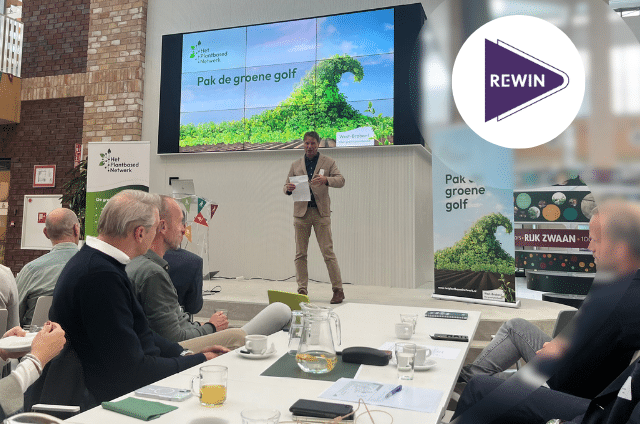
Businesses, educational institutions, and government bodies in West Brabant didn’t automatically see themselves as active builders of the plant-based transition. Their initiatives stood apart from one another, without a shared sense of urgency or ownership. With Het Plantbased Netwerk, the transition gained a shared language and narrative, giving organizations a sense of being part of a movement bigger than themselves.
Using language to build social cohesion
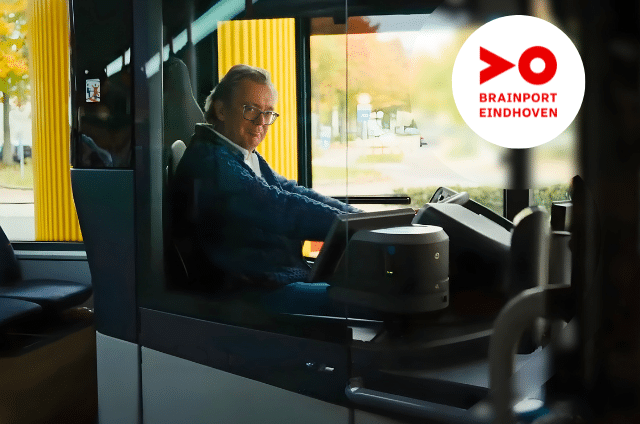
Internationals in the Brainport region knew that connecting with their surroundings mattered, but didn’t naturally feel the urge to take that step. Existing residents, in turn, felt little reason to open up. With “De taal van ons thuis” and the “From hello to houdoe” activation, that step became a gesture of connection rather than an obligation — fueling the motivation on both sides to seek each other out.
A behavioral driver rarely stands alone
Wanting rarely stands alone. Motivation without knowledge goes nowhere: your target audience can be driven, but without knowing that you offer the solution, nothing happens.
Wanting is also connected to Resistance: even with motivation, doubt or skepticism toward the sender can still block the step.
Do you recognize this with your audience?
We’d love to think along with you about how to use this behavioral driver to your advantage.